

Global: Young voices on social media bans
Amnesty International recently gathered a group of young people from around the world in Kenya to discuss their experiences on social media amid a push for teenage social media bans by governments across the world. Australia and Indonesia have already put restrictions on young people’s use of social media. UK announced a social media ban for children under 16 on 15 June 2026.
Over 40 countries are considering bans. The proposals are driven by concerns about young people’s exposure to adult content, self-harm material, mental health impacts, cyberbullying, and online grooming. Amnesty International opposes social media bans because they are an ineffective quick fix out of step with the realities of a digital generation. The most effective way to protect children and young people online is by protecting all social media users through better regulation, stronger data protection laws and better platform design. Amnesty International is calling for strong and enforceable platform regulation, including restrictions on profiling-by-default, hyper-personalized recommendation systems, autoplay, infinite scroll and other manipulative design features, alongside stronger protections for children’s privacy and safety online.
This is how young people feel about these proposals and how it will affect their human rights.
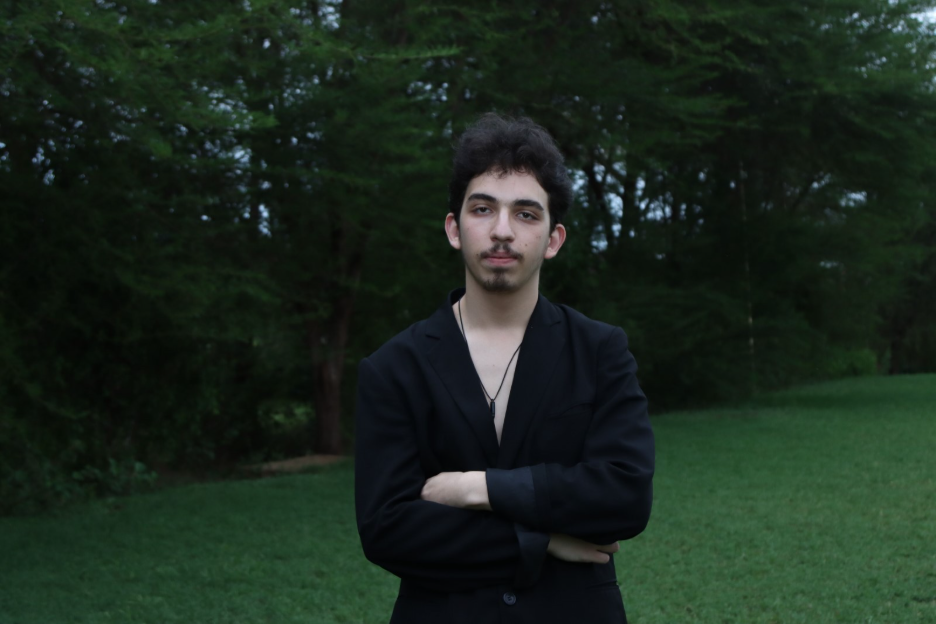
Ahmed Dhman – 20-year-old student activist from Morocco.
What do you think about the idea of banning young people from social media?
I think that’s a very controversial idea because when we’re saying we ban children and young people from social media, it’s like treating them like they’re incapable of complexity. It’s ironic, because we’re in a world where young people are expected to deal with economic crisis, political instability, but not social media.
What should policy makers do instead of banning children?
Banning social media is not the solution. We don’t ban books because they contain harmful ideas. We teach critical thinking. We should find other solutions like teaching digital literacy, supporting mental health, platforms being more transparent. Banning is the weakest solution because prohibition isn’t actually banning the danger, it’s banning opportunity.
Johanne Fearnley – 23-year-old activist from Norway.
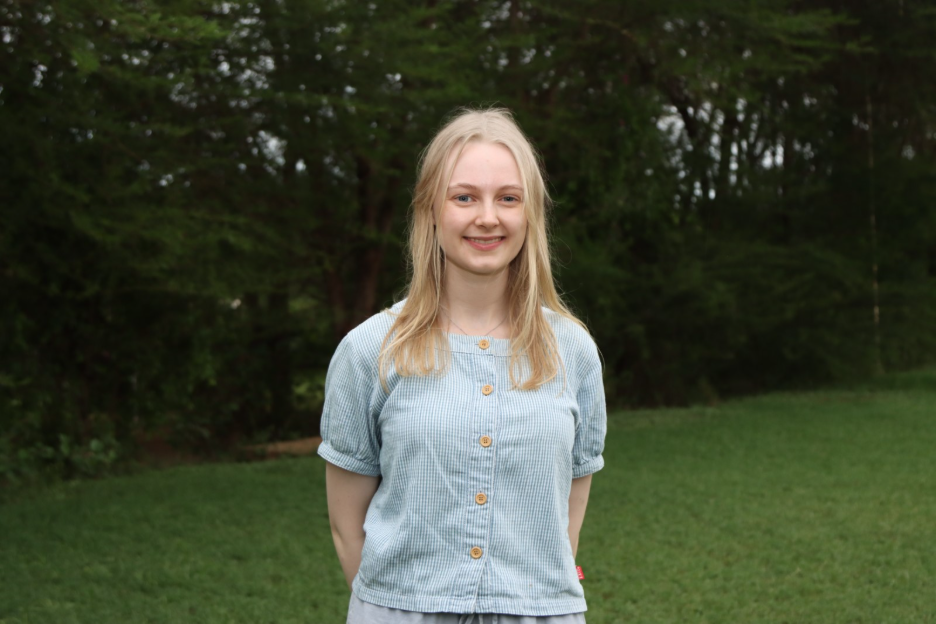
How can social media platforms be better regulated?
We need to have better regulations from governments to prevent hate expressed online from being magnified by algorithms. We need to make sure that social media platforms are removing threats more efficiently than they’re doing today. For instance, another way of making the internet safer for our children is to ban Generative AI that removes people’s clothes.
How do you use social media in your everyday life?
I publish videos on TikTok where I talk about human rights issues. And for me, a lot of the people that are following me are under the age of 16. And I wouldn’t be able to reach them with this information if there was a social media ban.
Andrea Lauria: 23-year-old activist from Italy.
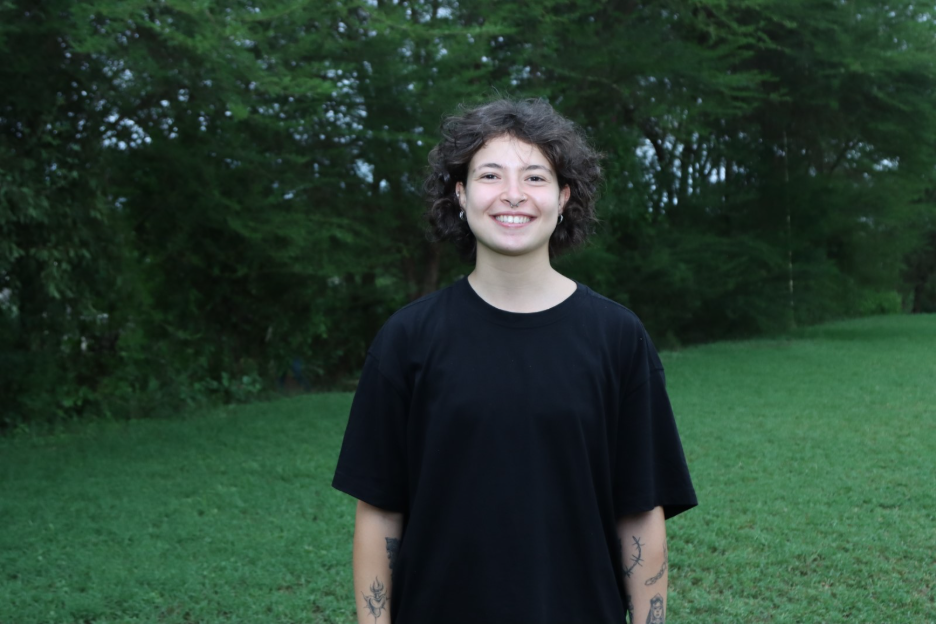
What will it take for you to feel safe online?
I think I would feel so much safer if there was transparency on how the internet works, especially algorithms. I’m thinking especially about TikTok right now and also some safeguarding about how much time should be safe to spend on social media platforms. No one educated us about how to use this platform.
When grown-ups arrive in our spaces, we don’t feel safe because they were not born with this social media. So, they do not actually know how to use them properly and in a safe way. This intergenerational sharing of spaces could be managed in a better way to create safer digital environments, especially for young people but also for adults.
What would be your message to a policy maker thinking of banning young people from social media?
First things first, I would say do your job because I think they need to be accountable and they have to do this with young people, not for young people. Put young people in positions of leadership to tell them how to design these digital platforms. You cannot design something if you don’t know what the target wants.
Lewis Ampem-Darko Osae: 23-year-old activist from Ghana.
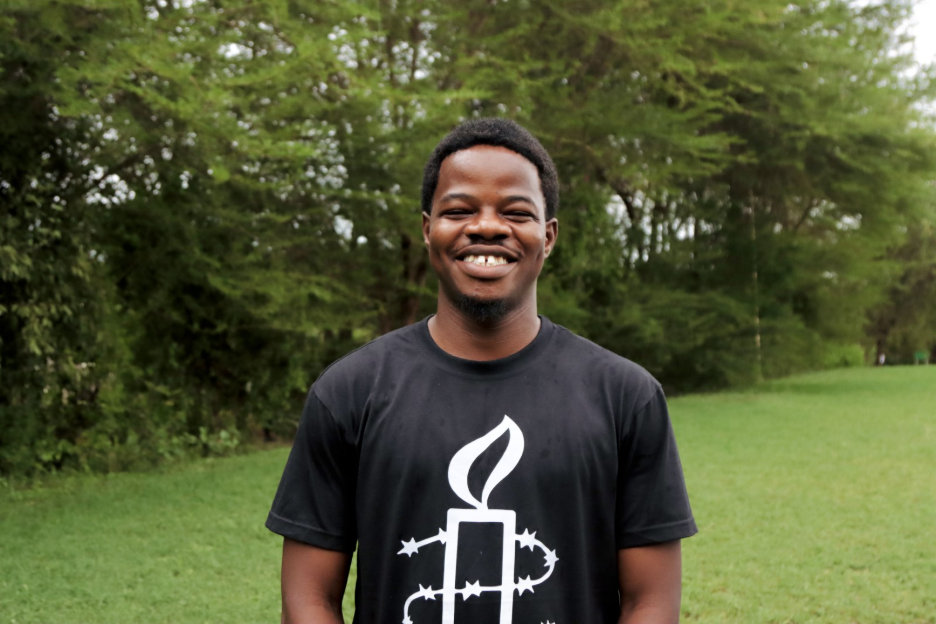
What are your thoughts on plans to ban young people from social media?
I think that’s something that has a lot more negatives than positives because, as much as we are trying to prevent children from having access to wrong information, blocking their access to information may harm their thinking. I believe that Big Tech companies are being very complicit in not taking sufficient action to ensure that people are actually safe on their platforms.
How should the government intervene to protect young people online?
There are laws against these things, but there’s almost close to zero enforcement. There’s no need to create new laws.
One of the safest ways is to challenge how Big Tech companies operate. If we say, if you don’t go by our rules, then we are not going to allow you to operate in our country anymore. Then tech companies are going to think, okay we are making this amount of dollars every year from this country alone through usage and subscriptions.
It’s all about the money to the big tech. When you speak their language then they have a rethink and, in a way, will be forced to do the right things to make sure that social media is truly safe.
Paloma Navarro Candia: 19-year-old activist from Argentina.
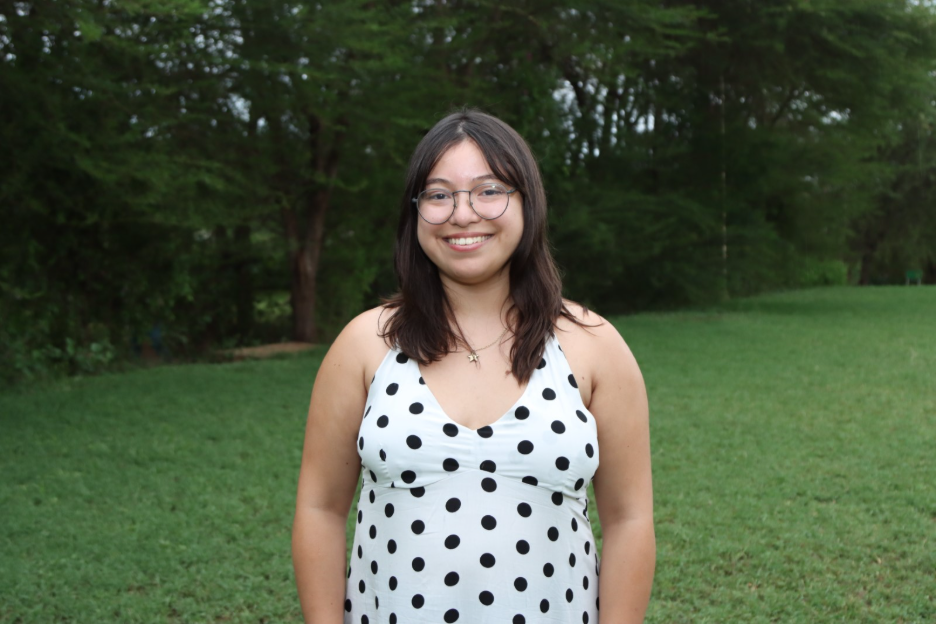
What do you think about the idea of banning young people from social media?
I remember when I first started to use the internet, the most meaningful part was being able to talk with people from around the world and have different perspectives on different topics. And it was really important to me not to feel alone.
I learn a lot from my peers online. If we exclude children, we are excluding not only the opportunity to socialize, which is very important for their development, but to have this opportunity to exchange knowledge and to really nourish themselves with other perspectives from around the world.
What should governments do to help make the internet safe without banning children?
Governments need to think about social media as an extension of their offline life because they always separate online life and offline life. And they’re really the same because the offline impacts the online.
We were promised a digital future and adults always say that we are the future, but we are here. We are now. We need these spaces to be friendly, and to be safe right now. We are digital natives, but we need tools too. We shouldn’t be left behind.
AN INTRODUCTION TO CHILD RIGHTS
learn more at aMNESTY HUMAN RIGHTS ACADEMY
The post Global: Young voices on social media bans appeared first on Amnesty International.
