



Three young activists on finding solutions to the issues that matter most to them
Content warning: This blog includes examples of suicidal ideation. We are publishing these details to bear witness to this survivor’s experiences.
Around the world, young people are responding to growing inequality, exclusion and attacks on human rights in a myriad of ways. They are organizing, resisting and creating solutions.
Pablo, Dina and Christopher are three young activists who are part of Digital Disruptors, an Amnesty International project supporting young people to seek justice for the issues that matter to them.
To celebrate International Youth Day, we spoke to them about their work, the power of speaking out and mobilizing others to protect the rights of people threatened by discrimination, gun violence and digital doxxing.
“If even one young person finds the support I didn’t have, that’s enough“
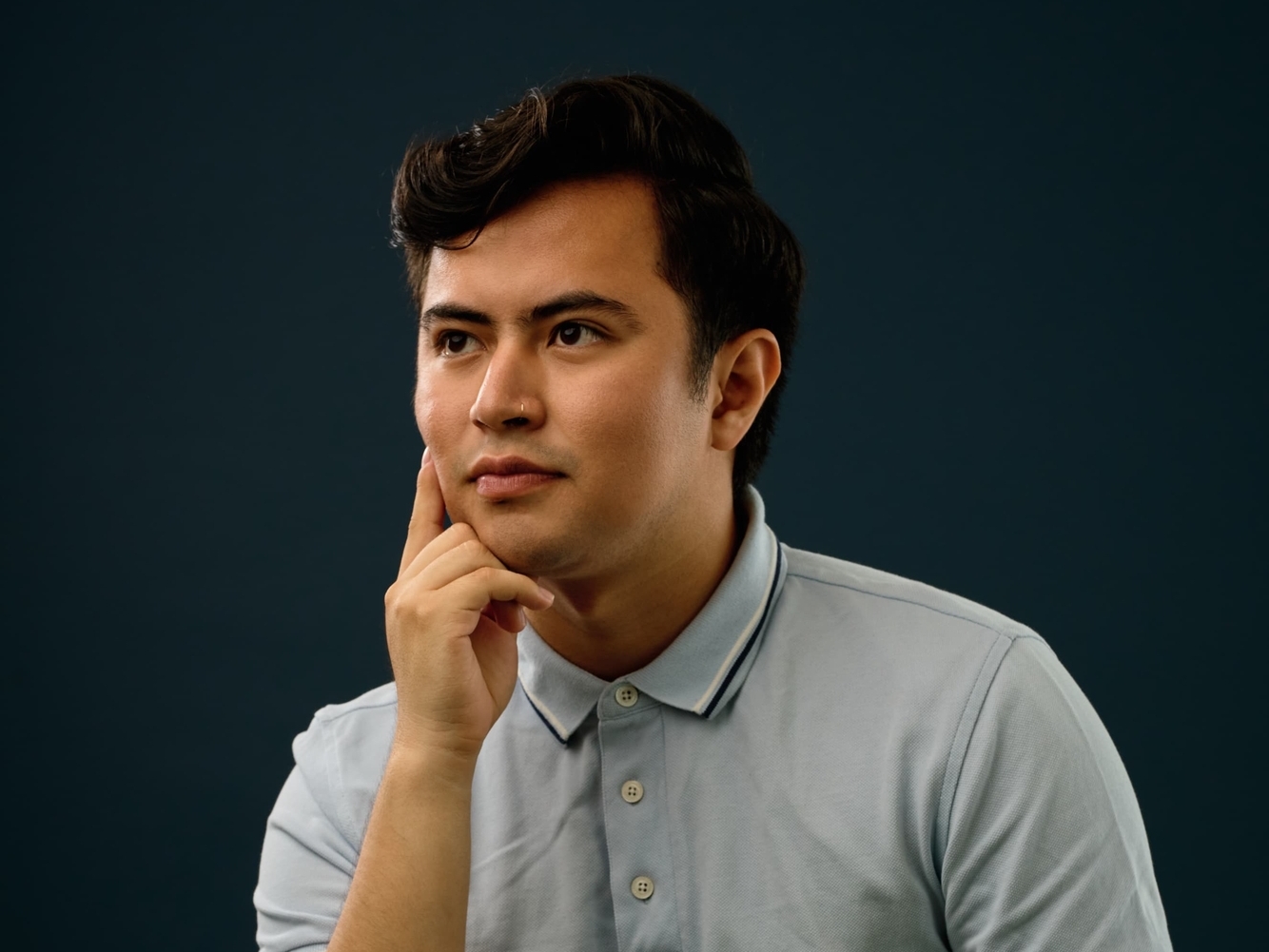
Pablo Mendoza, 24, Guatemala, Disruptorxs
I was 15 when I fell in love with another boy for the first time. That was also the year I came out. Instead of support, I was met with rejection and fear. I almost took my own life.
At the time, I felt very alone. The information, opportunities and support networks that could have helped me either didn’t exist or were extremely difficult to find. Even today, many stories about LGBTIQ+ people in Guatemala are still told through heteronormative and adult perspectives, and many representations continue to reinforce stereotypes and misinformation.
That’s why Disruptorxs is so personal to me.
Over the past year, 14 young people from across Guatemala came together to create a digital platform for LGBTIQ+ young people living on the outskirts of towns and cities. We want to build a space where young people can find information about mental health, sexual health, support networks and opportunities, while also seeing stories that reflect the diversity of our lives.
For me, one of the biggest transformations has been finding the confidence to write about my own experiences. I’ve spent years writing about politics, justice and youth rights, but somewhere along the way I internalized the idea that writing about the realities of being part of the LGBTIQ+ community was somehow less important. Through this project, I realized that our experiences are political too.
I’m proud to be part of such a diverse group – sharing knowledge, building solidarity and creating something that is bigger than any one of us.
That sense of collective knowledge is what stays with me most. Information can change someone’s life, but only if it reaches the people who need it. Disruptorxs is our attempt to make sure future generations don’t have to navigate everything on their own.
If even one young person finds through Disruptorxs the hope, support or information that I couldn’t find at 15, then this project has already succeeded.
“Grief doesn’t have to end in silence”
Dina Alami (left), 30, Sweden, Kollectiv Sorg
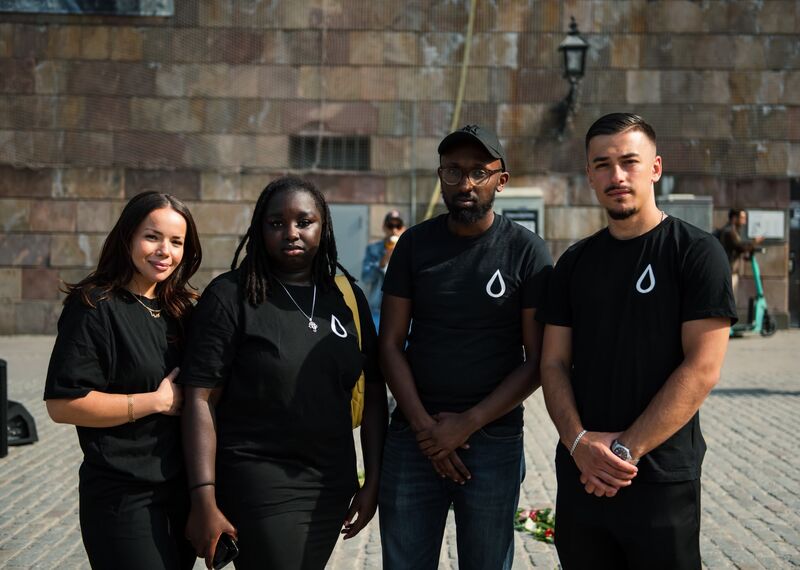
Kollectiv Sorg – which means Collective Grief in English – began as an open letter to address gun violence and street crime in Sweden, before it grew into an Amnesty youth group, and over the years became something much bigger: a movement.
We were young people asking society, politicians and decision-makers to stop seeing violence as statistics and start seeing the young people behind them. Behind every headline is somebody’s child, sibling, best friend. Somebody whose absence continues to shape an entire community.
For me, the project is deeply connected to my own experiences of loss. I’ve always cared about human rights, equality and social justice, but losing someone close to me through violence changed the way I saw the world. It gave those values a new urgency.
Kollectiv Sorg gave me a language for feelings I couldn’t explain.
Before, my grief felt isolating. It was something heavy that I carried alone. Through this work, I discovered that grief can also be collective. It affects families, friendships and entire communities. It can connect people who might otherwise never have met. It can also become a catalyst for action.
Too often we focus on symptoms while ignoring the deeper causes. That belief led us to create Collective Talks, a peer support group that meets several times a month for relatives of victims and others who have been directly affected by violence. It became a space where people can return, grief can be shared instead of hidden, and where people realize they don’t have to carry it alone.
We’ve held public exhibitions in galleries and churches across Stockholm and organized public talks, using creative expression to start conversations about loss, safety and hope that are otherwise difficult to begin.
Too often we focus on symptoms while ignoring the deeper causes that allow violence to continue. Through Kollectiv Sorg we try to create spaces where people can process grief openly, while also challenging the structural issues that contribute to violence, exclusion and racism.
The opportunity to connect with other young activists through Amnesty also reminded me that our experiences are not isolated. During exchanges with young people in London, we realized how many hopes, frustrations and challenges we share, even when our contexts look different.
Perhaps the biggest lesson I’ve learned is that young people don’t need to wait for permission to lead. We don’t need to have all the answers before we begin.
Grief doesn’t have to end in silence. It can become action, and compassion can become leadership. Real change begins when people find each other, listen to one another and decide to act together.
“I became a digital rights activist because my own data was shared without my consent”
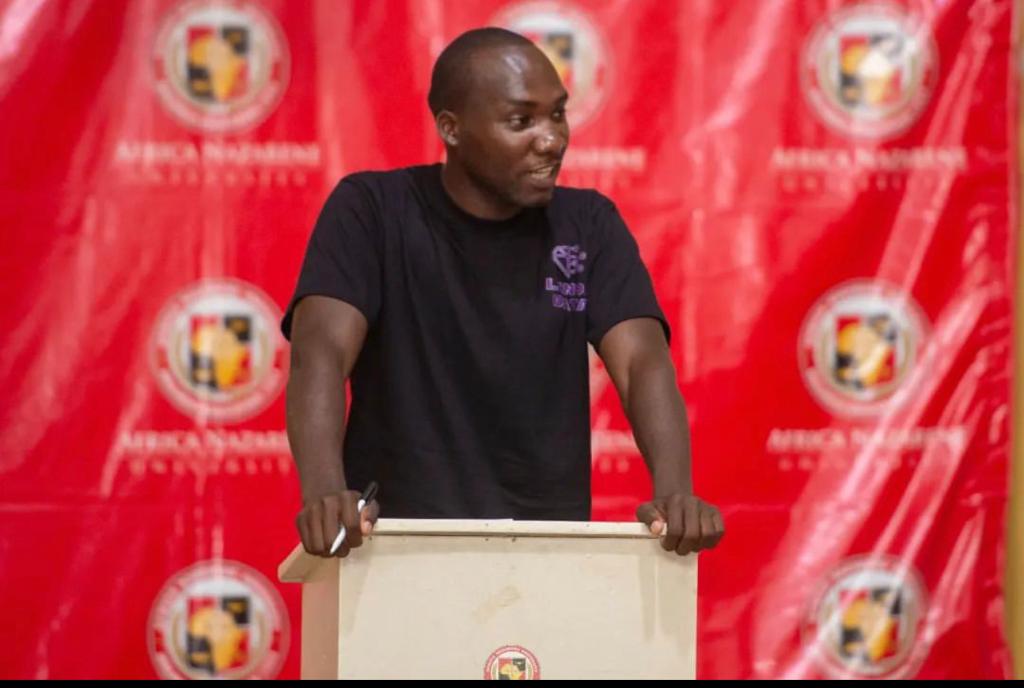
Christopher Arunga, 28, Kenya, Linda Data
Five years ago, I found screenshots of my personal details online.
My name, photographs, and even my home address appeared on websites and in media coverage.
I never consented to any of it.
That experience changed how I thought about digital rights. What happens when personal information is shared without consent? What happens when people are exposed to harassment, scams, bullying or intimidation because someone failed to protect their data?
Those questions led me to Linda Data.
In Kiswahili, “Linda Data” means “Protect Data”. The campaign was created by five young activists who had never met before attending a workshop convened through Digital Disruptors. Together, we looked at the state of digital rights in Kenya and asked what issue young people cared about most.
After surveying hundreds of young people, one concern stood out: unauthorized access to personal data.
This matters because Kenya is one of the youngest and most digitally connected countries in the region. Young people use social media platforms for education, communication and activism. Those same platforms also expose them to cyberbullying, misinformation, scams, surveillance and data exploitation.
Through campus visits, community conversations and online advocacy, we started helping young people understand both the risks and their rights. We talked about the importance of informed consent, privacy, digital safety and existing legal protections. We also pushed for greater accountability from tech companies and institutions that collect and use people’s personal information.
The project transformed me personally as much as it transformed our campaign.
I learned about legislation, digital security, communications, logistics and organizing. We all had to step into roles we’d never done before. I ended up leading logistics despite having no previous experience. We grew into the responsibilities because the work needed doing.
I now understand that digital rights are not a niche issue. They’re connected to personal safety, mental health, civic participation and freedom of expression.
For me, the goal has never just been protecting data. It’s about helping young people move from being passive users of technology to becoming informed, empowered individuals who can shape the digital world around them.
Sign up to Amnesty International’s Human
Rights Academy
The post Three young activists on finding solutions to the issues that matter most to them appeared first on Amnesty International.
