


8 wins against gender-based discrimination, violence and injustice
Governments around the world are rolling back decades of progress on gender equality resulting in increasing attacks on reproductive rights, the silencing of feminist voices, funding cuts for women’s rights organizations, and much more.
Ensuring and strengthening access to justice for all women and girls is more important than ever, and will be top of the agenda when UN member states convene for the 70th session of the Commission on the Status of Women from 9 to 19 March.
Here are eight areas in which Amnesty International has been campaigning for gender equality and justice. These wins take different forms – from landmark court rulings and legal reforms to hard-won recognition, accountability and resistance in the face of injustice. As long as we don’t give up, humanity can – and will – win against discrimination, gender-based violence and injustice!
Burkina Faso
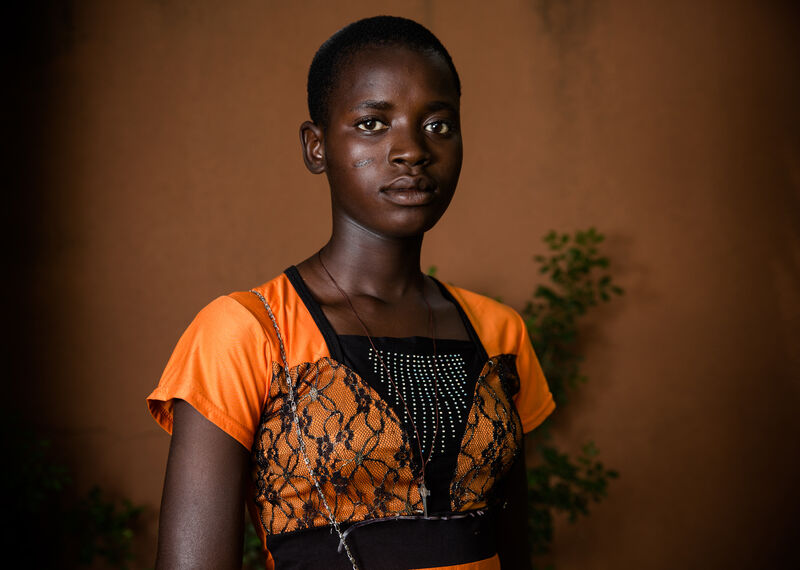
Burkina Faso has one of the highest rates of early marriage in the world, often leading to girls being forced to drop out of school to take care of their homes and husbands. Girls who are married off at a young age are also more likely to suffer domestic violence and health complications in childbirth and pregnancy. Following years of campaigning by Amnesty International and its partners, Burkina Faso adopted long-awaited reforms in 2025, which set the minimum age for marriage at 18 for both girls and boys and established consent as the basis for any marriage. New provisions on inheritance rights, which eliminate gender discrimination against women and girls, also mark meaningful progress.
Dominican Republic
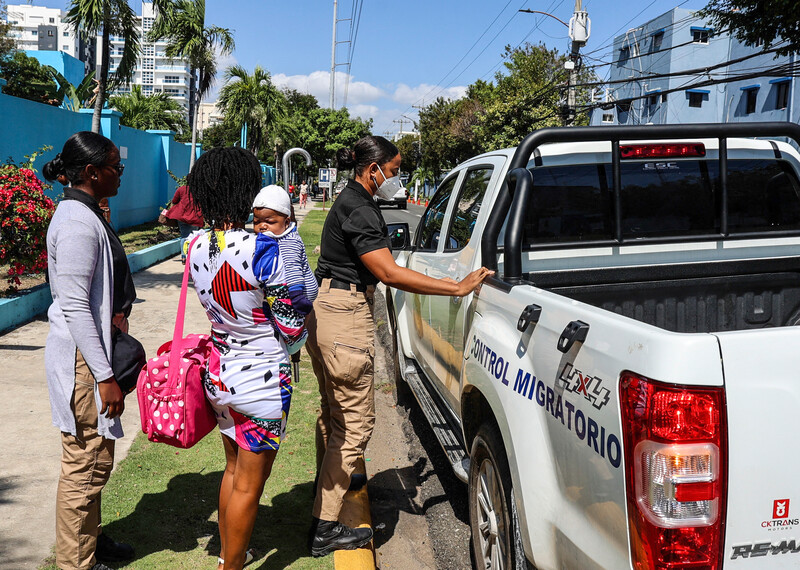
In November 2025, Amnesty International published a report exposing the false narrative used by the government of the Dominican Republic to justify a crackdown on undocumented migrants that has seen hundreds of pregnant and breast-feeding women deported back to Haiti. It came after anti-immigration measures were announced by President Abinader, including a requirement that, in order to access hospital treatment, foreign patients must provide identification, a passport with a valid visa, a work card issued by the Directorate of Migration and proof of home address. Amnesty International continues to campaign for the repeal of these health protocols, which are deterring undocumented pregnant women from seeking ante- and postnatal care and placing their lives at risk. We are also calling for the suspension of the arbitrary detention and deportation of Haitians, particularly pregnant women and children, as a result of this new policy.
Haiti
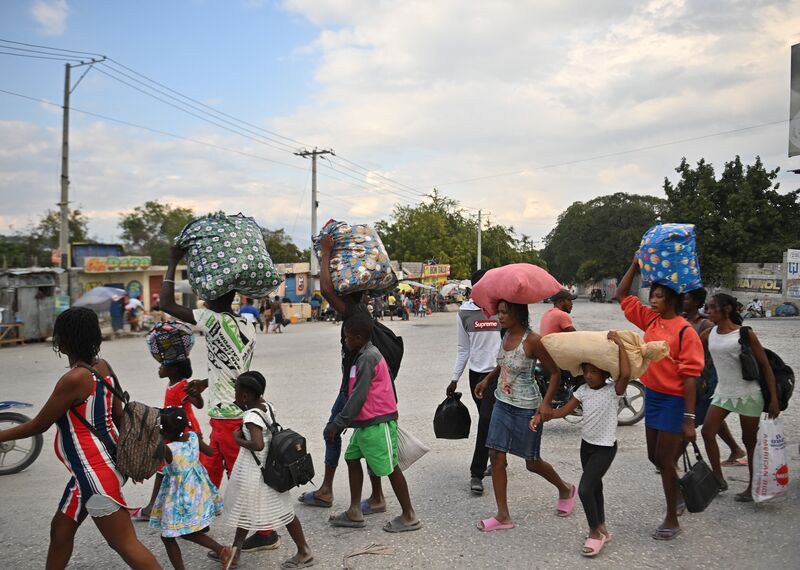
During 2025, Amnesty International documented gang violence against girls and women in Port-au-Prince and other communities. In a report drawing on interviews with 112 people, including 51 children, Amnesty documented abuses and violations in eight communes of the West Department – from the recruitment and use of children in gangs, to rape and other forms of sexual violence meted out to women and girls. It also presented a summary of its findings to the office of Prime Minister Alix Didier Fils-Aimé in December 2024, in a bid to stop the cycles of violence and ensure justice for victims and their families.
France
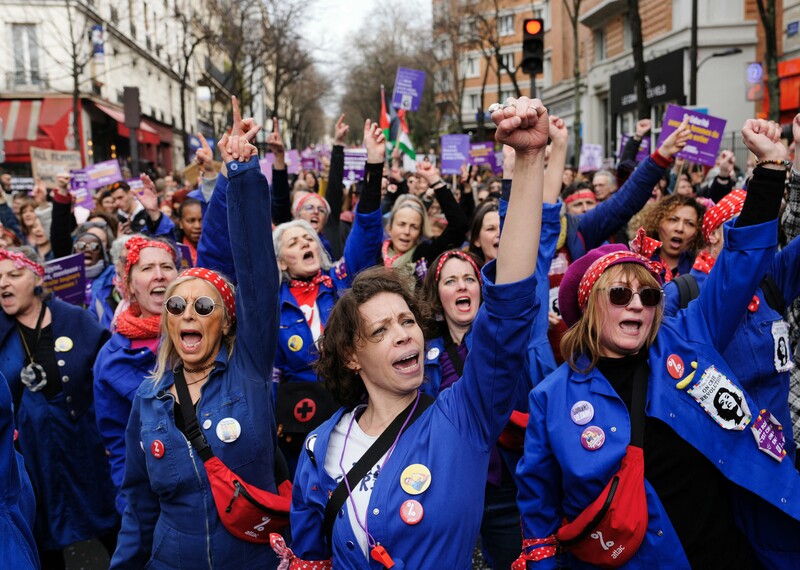
Official statistics in France indicate that only 6% of victims report cases of rape, attempted rape and/or sexual assault. To find out why some of the most vulnerable in society do not come forward to report these crimes, Amnesty International interviewed migrant women, transgender women and sex workers about their experiences of attempting to report sexual violence in France. In its 2024 briefing, ‘Go Home, It’ll Blow Over’, Amnesty exposed how structural discrimination, stigma and institutional failures routinely prevent survivors from accessing justice, even within a legal system that formally guarantees their rights. The research found widespread refusals by police to register complaints, discriminatory treatment, lack of interpreters, inadequate support services, and harmful gendered and racialized stereotypes. For undocumented migrant women and sex workers in particular, reporting sexual violence can result in detention, deportation, or further abuse, creating a chilling effect that pushes survivors away from justice altogether.
Gaza
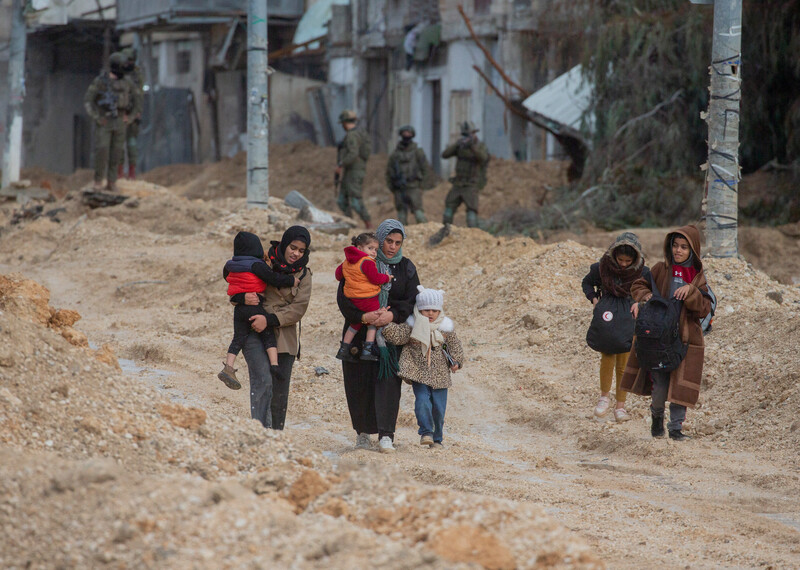
In March 2025, the UN Commission of Inquiry concluded that Israel has systematically used sexual, reproductive, and other gender-based violence against Palestinians and carried out “genocidal acts” by destroying women’s healthcare and reproductive health facilities and blocking access to essential care. In September 2025, it found that Israel had committed genocide in Gaza, including through the imposition of measures intended to prevent births. These findings followed Amnesty’s own December 2024 report “You Feel Like You Are Subhuman’: Israel’s Genocide Against Palestinians in Gaza”, which documented killings, serious bodily and mental harm, and conditions of life deliberately imposed to destroy Palestinians in Gaza, “in whole or in part,” including gendered harms resulting from the assault. Alongside women human rights defenders and feminist movements, Amnesty International continues to document abuses, advocate for accountability and mobilize support for Palestinian women and girls.
Malawi
In 2025, Malawi’s High Court ruled that denying a 14-year-old rape survivor access to a safe abortion had violated her rights under the Gender Equality Act. In its landmark judgment, the court awarded damages to the survivor and affirmed that access to a safe abortion is essential to protecting the lives, health and dignity of women and girls. The ruling set an important precedent in a country where abortion remains largely criminalized – the only exception is when it is performed to save the life of a pregnant woman. This colonial-era draconian law means many adolescents and survivors of sexual violence are left with no safe options.
Latin America
In 2025, the United Nations Human Rights Committee issued landmark rulings finding that Ecuador and Nicaragua violated the human rights of three girls who were raped, denied an abortion and forced into motherhood, and later that year issued a further ruling concerning Guatemala. In its far-reaching decisions, the committee found that the girls had been subjected to situations amounting to torture. For the first time, it recognized that forced motherhood interrupts and hinders girls’ personal, educational and professional goals, and severely restricts their right to a dignified life. The committee called for states to amend legislation to ensure access to safe, legal abortion, especially in cases involving sexual violence or risks to the life or health of the girl, woman or pregnant person – and to provide reparations for survivors to help them rebuild their lives. The cases form part of the ‘Girls, Not Mothers’ campaign, of which Amnesty International is a founding and active member.
Nepal
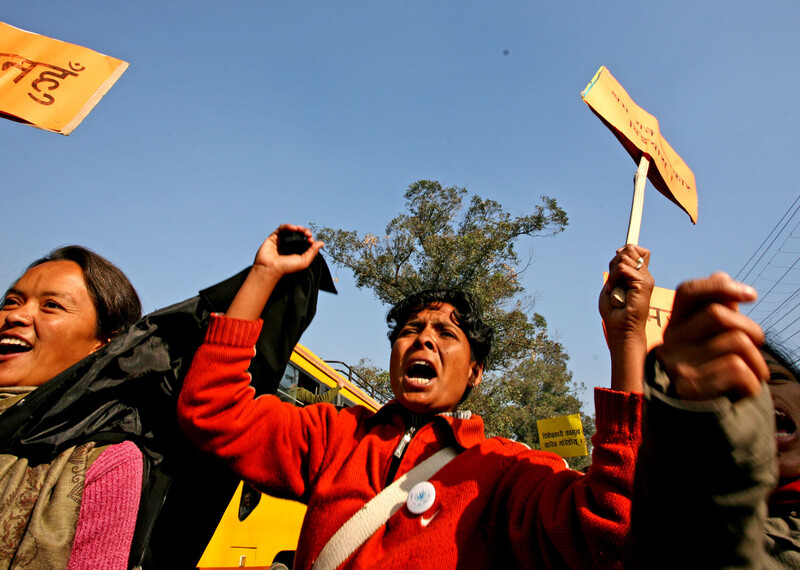
Despite laws prohibiting it, caste-based discrimination continues to be a feature of everyday life in Nepal. Not only does it fuel violence and prejudice against millions of Dalits and other members of minority communities, but it also robs them of justice as the police are less likely to promptly – or effectively – investigate crimes against minority groups. However, there was a breakthrough in 2023, when the West Rukum District Court delivered a historic verdict, convicting 26 individuals for murder and caste-based discrimination in the killing of Nabaraj BK and five others. The six men, many of whom were from the Dalit community, had been beaten to death by a mob in 2020 after allegations of Nabaraj’s inter-caste relationship with a girl from a dominant caste. Alongside Dalit families and activists, Amnesty International continues to lobby the Nepali government to put in place effective protections for Dalit communities.
humanity must win
Support women’s rights
The post 8 wins against gender-based discrimination, violence and injustice appeared first on Amnesty International.
